Geometry Now: Today's Graphic Design & Production
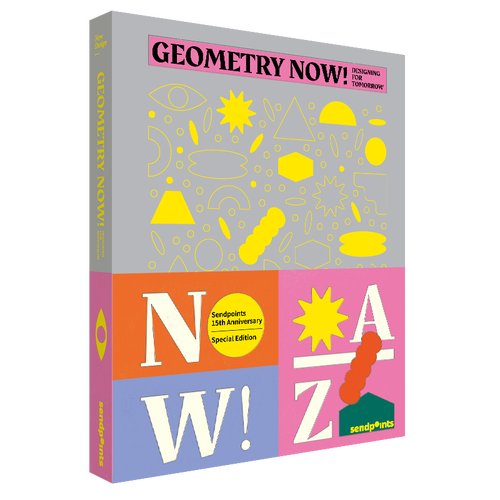
In the world of visual communication, geometry is not just a branch of mathematics—it is the backbone of modern graphic design. Every logo, poster, user interface, and branding system relies on geometric principles to achieve balance, clarity, and impact. Geometry Now explores how today's designers harness shapes, grids, and proportions to create compelling visual experiences, and how these ideas translate from screen to printed or digital production.
The Language of Shapes
At its core, graphic design speaks through shapes. Circles suggest unity and infinity; squares convey stability and structure; triangles imply dynamism and direction. Contemporary designers use these basic forms not as isolated elements but as building blocks for complex compositions. From minimalist icons to intricate illustrations, geometry provides a universal vocabulary that transcends language and culture.
Grids: The Invisible Framework
Behind almost every well-designed layout lies a grid. The grid system—rooted in Swiss design and modernist principles—organizes content into columns and rows, ensuring consistency across multiple pages or screens. Today, responsive web design extends this concept with flexible grids that adapt to different devices. Whether you are designing a magazine spread or a mobile app interface, a thoughtful grid brings order to chaos and guides the viewer's eye.
Proportion and the Golden Ratio
Proportion is the relationship between sizes. The golden ratio (approximately 1.618) has fascinated artists and architects for centuries, and it remains a powerful tool for creating aesthetically pleasing compositions. Designers use it to determine the size of headlines relative to body text, the placement of images, and the overall harmony of a piece. Other systems, like the rule of thirds or modular scales, offer additional ways to achieve visual balance.
Color, Contrast, and Geometry
Geometry also interacts with color and contrast. Bold geometric shapes paired with high-contrast palettes create striking posters and social media graphics. Subtle geometric patterns in muted tones can add texture and depth to branding. Understanding how color affects perception—and how shapes influence emotional response—allows designers to craft messages that resonate.
From Screen to Production
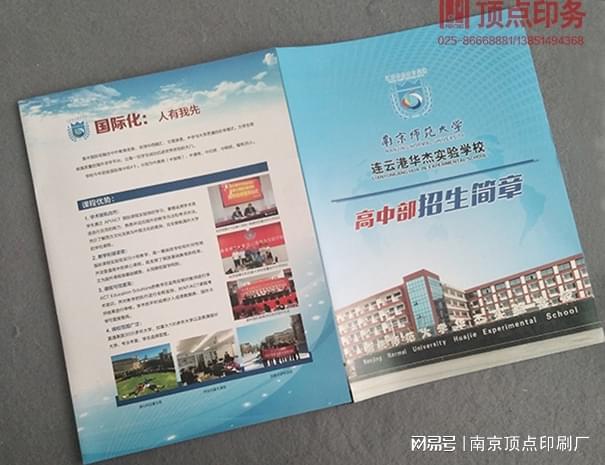
In today's graphic design production, geometry plays a critical role at every stage. Digital tools like Adobe Illustrator, Figma, and Blender rely on vector geometry and 3D modeling. When designs move to print, precision matters: bleeds, crop marks, and color profiles all depend on exact geometric relationships. For large-format graphics, environmental design, or packaging, geometric accuracy ensures that the final product matches the designer's vision.
Case Studies: Geometry in Action
Consider the iconic Coca-Cola bottle—its contour is a masterclass in curved geometry. Or the Airbnb logo, built from a continuous line that forms a geometric symbol of belonging. Tech companies like Google and Microsoft use geometric grids to create cohesive design systems across hundreds of products. Even in motion graphics, geometry drives animation paths and transitions.
Conclusion
Geometry is not a constraint—it is a liberator. By mastering geometric principles, today's graphic designers can create work that is not only beautiful but also functional, scalable, and emotionally engaging. As technology evolves, the partnership between geometry and design will continue to shape how we see and interact with the world. Whether you are sketching on paper or coding a generative design, remember: every great design begins with a point, a line, and a shape.
如若转载,请注明出处:http://www.jiankangkouqiang.com/product/44.html
更新时间:2026-09-23 15:14:20